

DIAMOND 4 C'S
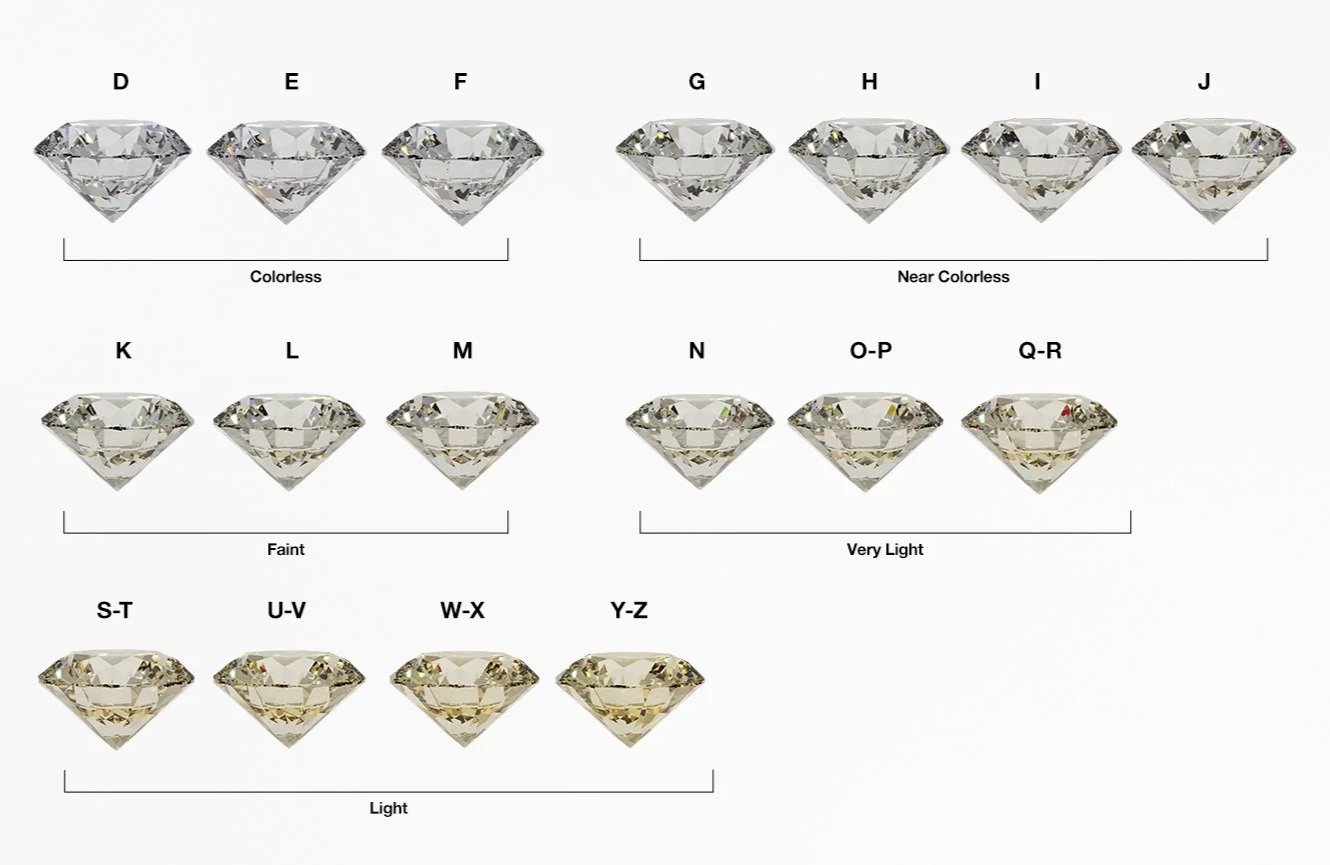
The 4Cs, created by GIA, are considered the global language of diamond quality.
The value and quality of a diamond reflects all 4Cs.
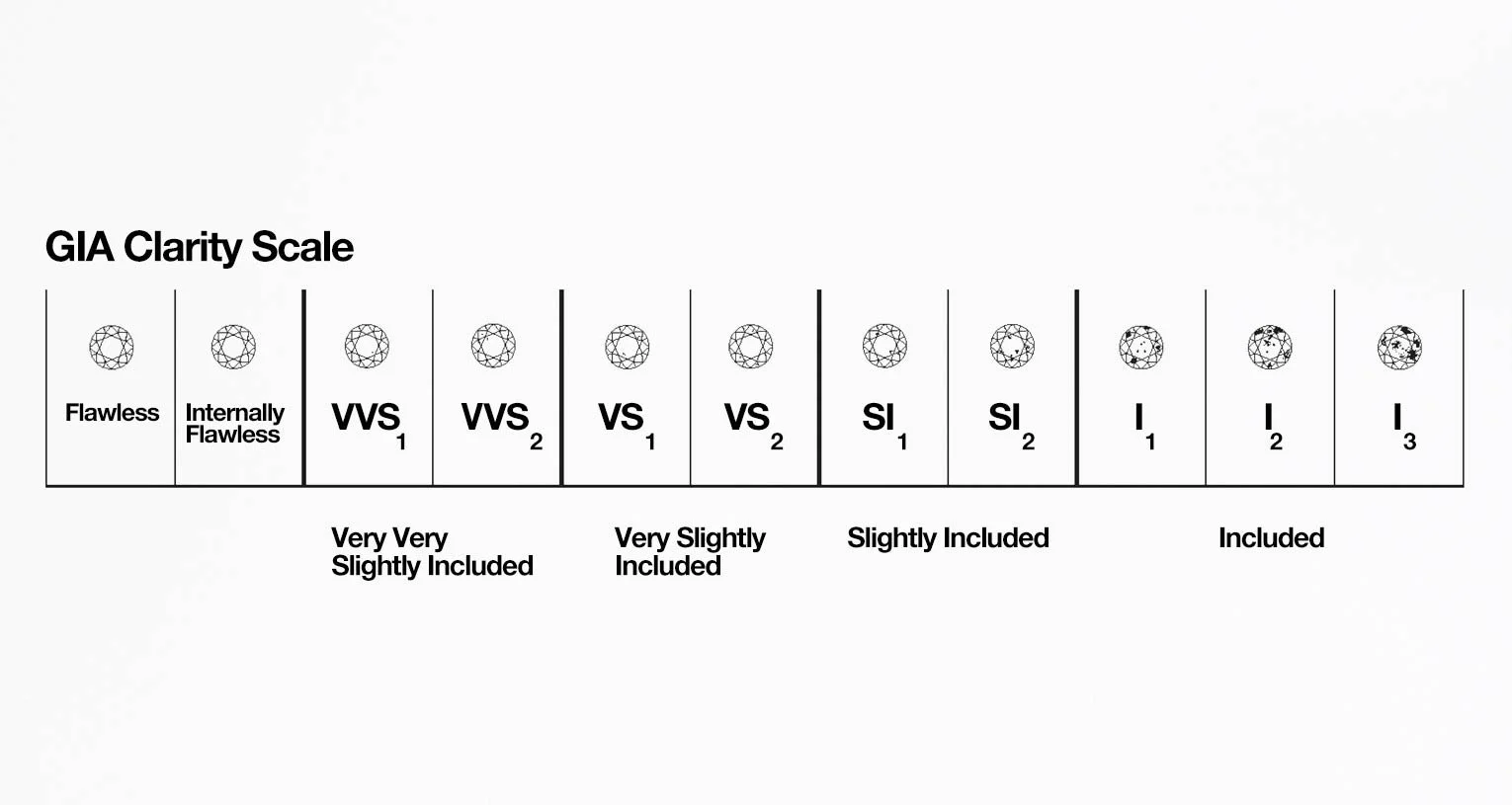
CLARITY is the key to quality.
Precise clarity grading is the secret to accurately evaluating a diamond. It is essential when buying a diamond to secure an accurate assessment.
The CUT (proportions, symmetry, and polish) is a measure of how a diamond’s facets interact with light.
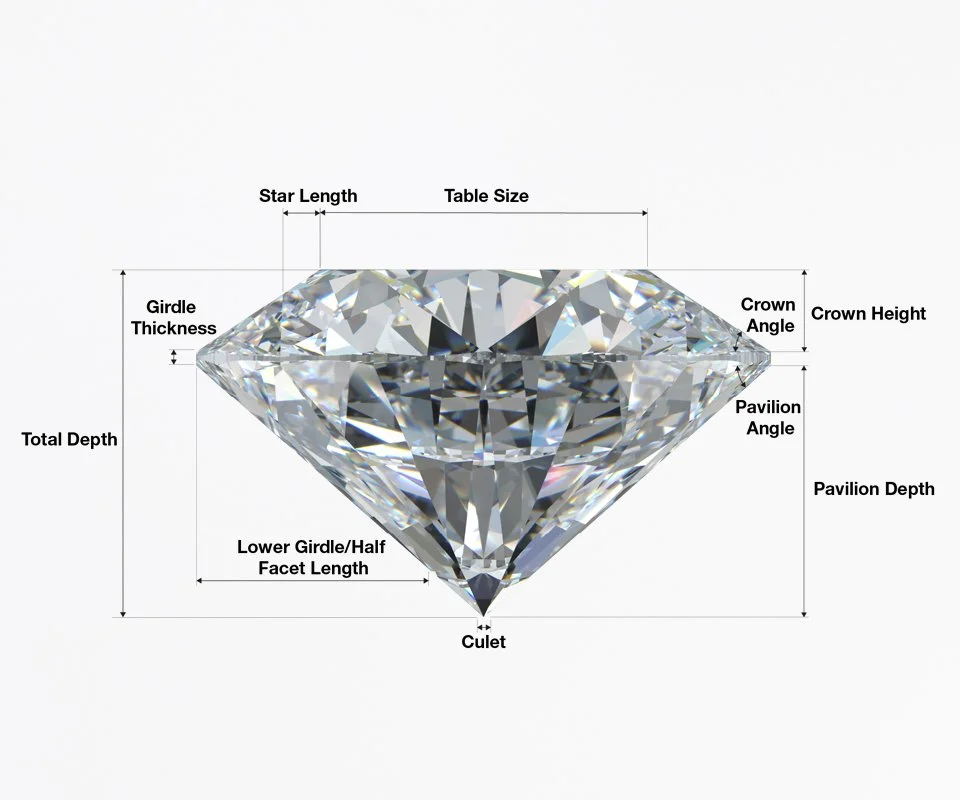
When you hear words like Brightness, Scintillation and Fire, they describe how masterfully a diamond is cut.
While a term like oval would refer to the shape, or outline of a diamond, cut also describes the overall design of a diamond, including the arrangement and proportions of the diamond’s facets.
Diamond cut grades are only given to round brilliant cut diamonds because they are the only cut that have standardized facets.
CARAT
measures weight, not size.

The term carat weight comes from carob seeds and has been in use since the 1500s. Early gem traders used to use small uniform seeds to counterweight their scales. Today a carat is a standard milligram measurement of weight, recognized and used globally.
When shopping for a diamond, you may hear a jeweler refer to a diamond’s weight in points, calling a diamond that weighs 0.25 carats a “twenty-five pointer.” Diamonds that weigh more than one carat, like a 1.08 carat stone will be referred to in carats and decimals, for example “one point oh eight carats.”
4C’s information and graphics :GIA | Photos: Shayo Diamonds